 (877) 227-3195
GAFC Newsletter, Q3 2024
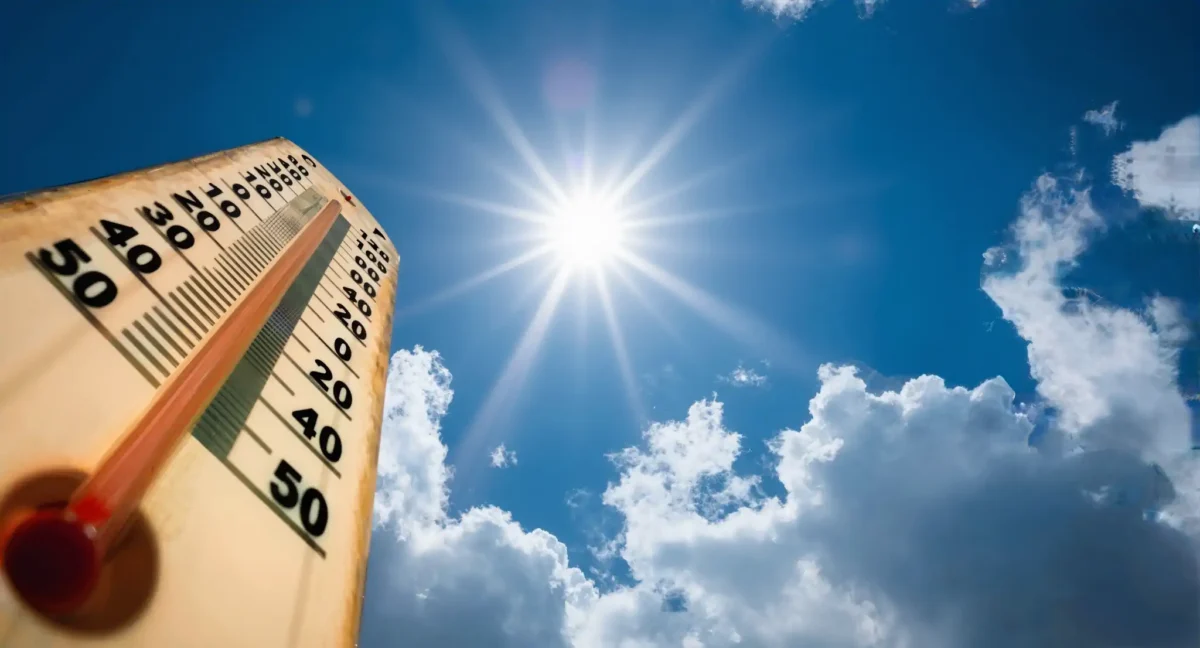
Summer brings longer days and more opportunities to enjoy time outdoors, but July and August can also bring periods of extreme heat. For older adults and other vulnerable individuals, high temperatures can pose serious health risks.
Know the Warning Signs
Extreme heat can lead to dehydration, heat exhaustion, and heat stroke, while also worsening existing health conditions.
Signs of heat exhaustion may include heavy sweating, headache, dizziness, weakness, nausea, muscle cramps, and feeling faint. If symptoms develop, move to a cooler location, help the person cool down, and seek medical attention when appropriate.
Heat stroke is a medical emergency. Confusion, unusual behavior, loss of consciousness, seizures, very high body temperature, and hot skin can be warning signs. Call 911 immediately if heat stroke is suspected.
Simple Ways to Stay Safe
A few precautions can make a significant difference:
- Stay hydrated: Drink water regularly and don’t wait until you feel thirsty. Follow your healthcare provider’s guidance if you have fluid restrictions.
- Keep cool: Spend time in air-conditioned spaces, close curtains or blinds during the hottest part of the day, and consider visiting a cooling center, library, or community center if your home becomes too hot.
- Plan outdoor activities: Avoid strenuous activities during the hottest part of the day. Wear lightweight clothing, seek shade, take frequent breaks, and bring water.
- Check medications: Some medications can affect hydration or the body’s ability to regulate temperature. Never stop or change medications without speaking with your healthcare provider.
- Stay connected: During periods of extreme heat, check on older family members, friends, neighbors, and individuals who live alone.
Prepare Before the Heat Arrives
Before a heat wave, make sure your air conditioner is working, keep water readily available, identify a cool place you can go if needed, monitor local weather advisories, and arrange for someone to check in on you or your loved ones.
You don’t have to wait until you feel sick to take precautions.
A phone call. A glass of water. A cool room. A quick check-in.
Small actions can make a big difference in protecting the health and well-being of older adults and other vulnerable members of our community.
Stay cool, stay hydrated, and stay connected this summer.
From,
The Advanced Home Care GAFC Team